Staying Active After 65: Embracing an Active Senior Lifestyle
Moving into later life does not mean slowing down. Many older adults I have worked with over the years tell me that retirement was the moment they finally had time to focus on their health and happiness. An active senior lifestyle is not about running marathons or lifting heavy weights. It is about finding small, consistent ways to stay engaged physically, mentally, and socially. The benefits are real, and they start with choices we make every day.
What Does an Active Senior Lifestyle Look Like?
An active senior lifestyle varies from person to person. For one person, it might mean a daily walk around the neighborhood and a weekly bridge game. For another, it could be gardening, swimming, or volunteering at a local library. The common thread is movement and purpose. The goal is not to compete but to participate. I have seen people in their eighties discover new hobbies like painting or tai chi, and their energy levels improve noticeably within weeks.
From a practical standpoint, staying active helps maintain muscle strength, balance, and flexibility. These are the three pillars that prevent falls and keep people independent longer. But the mental side matters just as much. Learning a new skill, solving puzzles, or simply having a conversation with a friend stimulates the brain and supports memory. That combination of physical effort and mental engagement is what makes an active senior lifestyle so powerful.
Simple Ways to Build Movement Into Your Day
You do not need a gym membership or a complicated routine. The most effective activities are the ones that fit naturally into your life. Here are a few examples I have seen work well:
- Walking groups. Walking with a neighbor or a group adds accountability and social connection. Even 15 minutes after lunch makes a difference.
- Chair exercises. Seated stretches and light resistance bands help maintain mobility without straining joints.
- Dancing. Whether it is a class or just turning on music at home, dancing improves balance and mood.
- Yard work or gardening. Raking, planting, and watering count as moderate exercise and give a sense of accomplishment.
- Swimming or water aerobics. Water reduces impact on joints while providing resistance for strength.
The key is consistency, not intensity. Doing something gentle every day beats a hard workout once a week. I recommend picking two or three activities you actually enjoy, then scheduling them like appointments. That way they become habits rather than chores.
Social Connection as a Pillar of Health
One of the most overlooked parts of an active senior lifestyle is social engagement. Humans are wired for connection, and isolation can harm health as much as smoking or poor diet. Regular contact with others reduces stress, lowers blood pressure, and can even slow cognitive decline. But it does not have to be formal. Coffee with a friend, a phone call with a grandchild, or joining a book club at the local community center all count.
I have known seniors who moved to a new city and felt lost until they joined a weekly card game or a volunteer group. Within a month, they had new friends and a reason to get dressed and go out. The act of showing up for others creates meaning in our own lives. It also keeps us accountable. If you know someone is waiting for you at the park bench at 9 AM, you are more likely to lace up your shoes.
Eating Well Without Overcomplicating It
Nutrition goes hand in hand with an active lifestyle. After 65, the body needs fewer calories but more nutrients. Focus on protein for muscle repair, fiber for digestion, and calcium for bone health. A simple plate rule is to fill half with vegetables, a quarter with lean protein, and a quarter with whole grains. Berries, leafy greens, fish, and nuts are excellent choices. Drinking enough water is often overlooked but critical, especially in warm climates like Florida.
Meal preparation can also be a social activity. Cooking with a family member or a neighbor turns a chore into a shared experience. Many communities offer group meals or potlucks, which provide both nutrition and company. If cooking becomes difficult, look for meal delivery services that offer balanced senior meals. The goal is to eat well without turning food into a source of stress.
Adapting Activities as Abilities Change
Nobody stays the same forever. Health conditions, injuries, and natural aging mean that what worked at 70 might not work at 80. The key is to adapt rather than stop. For example, if knee pain makes walking painful, try a stationary bike or water walking. If vision changes make reading hard, switch to audiobooks or large-print puzzles. The mindset shift is crucial: it is not about losing capability but about finding new ways to stay engaged.

Connect with us on Facebook.
I have watched people switch from tennis to pickleball, then to chair volleyball, and still maintain their competitive spirit and friendships. The activity changes, but the active senior lifestyle continues. That flexibility is what keeps people from becoming sedentary. It also reduces the frustration that comes when a favorite activity becomes too difficult. Having a backup plan or a willingness to try something new makes all the difference.
Rest and Recovery Are Part of the Equation
An active senior lifestyle also includes rest. Sleep quality often declines with age, but it remains essential for memory, mood, and physical repair. Aim for seven to nine hours per night, and keep a consistent sleep schedule. If sleep is fragmented, consider cutting back on caffeine after lunch and getting natural light early in the day. Naps are fine, but keep them short to avoid disrupting nighttime sleep.
Rest also means taking rest days between more intense activities. If you walk every day, consider a lighter day of stretching or yoga. Your body needs time to rebuild. Ignoring that leads to overuse injuries, which can sideline you for weeks. Listen to your body. Soreness is normal. Sharp pain is not. Learning the difference is a skill that protects your ability to stay active long term.
Making It Sustainable
Sustainability is the final piece. The best routine is one you can imagine yourself doing six months from now. That means it should be enjoyable, convenient, and flexible. Do not sign up for a 6 AM boot camp if you are not a morning person. Do not commit to a daily hour-long walk if you have never exercised before. Start small. A 10-minute walk after breakfast. One new recipe per week. One phone call with a friend every Tuesday. Build from there.

Tracking progress can help, but keep it simple. A calendar with check marks or a short note in a journal is enough. Celebrate small wins. You walked three times this week. You tried a new vegetable. You called a friend you had not spoken to in a month. Those are not trivial. They are the building blocks of a vibrant life.
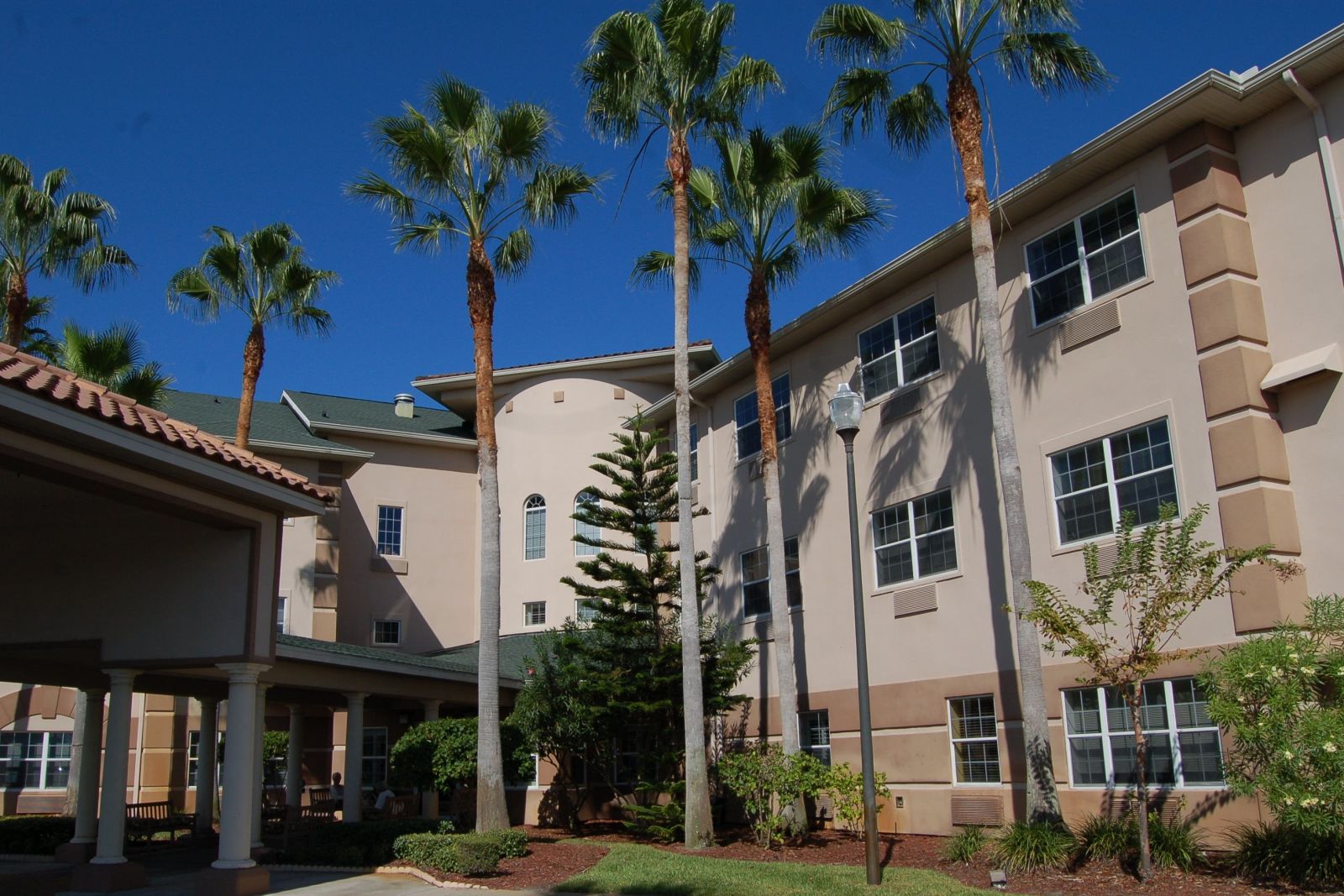
For those considering a move to a supportive community, the philosophy of staying active remains the same. At Hibiscus Court, located at 540 E Hibiscus Blvd, Melbourne, FL 32901, USA, the team offers assisted living, memory care, and respite services with personalized support for seniors and their families. Residents there continue to pursue their interests and stay engaged, with the right level of help available when needed. It is a reminder that an active senior lifestyle is possible at any stage, with the right environment and mindset.